
Introduction
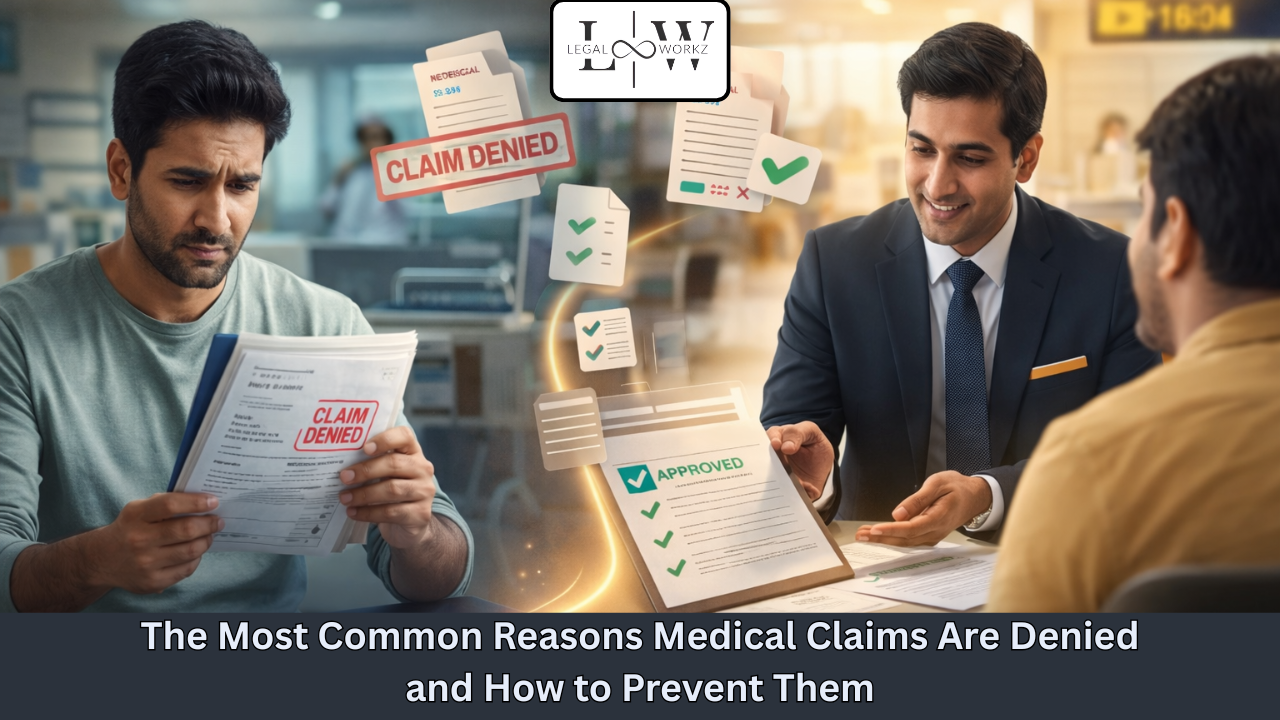
Health insurance is meant to protect us financially in a medical emergency. Whether scheduled surgery or unwanted hospitalization, an active insurance policy can alleviate the financial burden. But when medical claims are denied, many policyholders find themselves facing an unexpected hurdle.
A denied claim can be stressful, especially when people need the support of their insurance most during hard times. Often claims are denied not because the treatment wasn’t valid, but because they had technical errors, didn’t have enough documentation, or due to policy-related conditions that the policyholder does not fully understand.
Familiarizing yourself with some of the most common medical claim denial reasons, and know how to avoid them, can be a game-changer. These are basic principles but are still very crucial and you need to have a good knowledge about this process so you will be able to provide the proper steps in order for your claims get approved quickly.
Incomplete or Incorrect Documentation
Incomplete or inaccurate documentation is one of the most common reasons for a claim being denied. These include documents like the hospital bills, discharge summaries, prescriptions and any diagnostic reports along with claim forms required by insurance companies. If you’re missing even one document, it can hold up or get your application rejected.
Misinformation within the claim form, i.e. wrong policy numbers, incorrect patient information or treatment data can also lead to denial.
Policyholders should avoid sending these as they are encoded in various places and need to be reviewed thoroughly before a submission. Having a checklist to make sure everything you need is included will help avoid any unwanted issues.
Non-Disclosure of Pre-Existing Diseases
It is mandatory to declare all pre-existing medical issues when buying a health insurance policy. Providing incorrect information at the time of policy purchase could result in rejection of a claim thereafter.
“Insurers cannot assess risk without that information. In claim verification, if a pre-existing condition is found that was not previously declared then the insurer may deny the claim.
The way out is to give complete and honest medical history at the time of buying a policy. So, thanks to transparency, if the claim is process there will be no dispute.
Waiting Period Restrictions
Health insurance plans usually also have waiting periods for specific illnesses, treatments, or pre-existing conditions. During this waiting period, claims are often denied.
For instance, certain policies might require a waiting period for particular procedures or treatments. claims filed during this period may not be covered.
Consumers must read their policy documents and understand the waiting period clauses thoroughly. If successful authorization is desired, processing treatments after a waiting period can help yield the most effective claims.
Treatment Not Eligible Under the Policy
Not every treatment is covered by every insurance policy. Specific procedures, alternative treatments or cosmetic surgeries may be excluded.
Insurance companies can deny a claim if it is for a non-coverable treatment.
To ensure such situations are avoided, one should carefully read the inclusions and exclusions of the policy. Knowing what is covered, helps making informed decisions in the course of your medical treatment.
Delay in Claim Intimation
Policy holders are generally required by insurance companies to notify in a limited time about hospitalization. Failure to notify the insurer that your item has been stolen in a timely manner could cause the claim to be denied.
This is especially true for reimbursement claims where intimation is mandatory within a set time frame.
Yes, in the case of hospitalization always do notify to insurance company or TPA as soon as possible. Several insurers also offer helplines and online portals for prompt intimation.
Cashless Claims with Non-Network Hospitals
Now, in cashless claim facilities, treatment should be taken from a network hospital approved by your insurance provider. If a policyholder decides to go through a non-network hospital and makes a cashless claim, it can get rejected.
While reimbursement claims are still available, others may find the process more complicated and lengthy.
Refer to the list of network hospitals before admission to avoid confusion. To make your cashless claim process easier, go to a network hospital.
Policy Terminated For Non-Payment Of Premium
In the event that an insurance policy lapses due to non-payment of premium, all claims that occur during the lapse will be denied. When a policy is lapsed, it means there’s no coverage in force.
Policyholders never miss renewal dates and pay premiums on time to avoid that. Set reminders or use an auto-payment option to avoid lapses in coverage.
Fraudulent or Inflated Claims
Submitting fraudulent or inflated claims is a serious breach of trust and may lead to an instant rejection of your claim. So here, insurance companies do a detailed verification and if there are discrepancies it might lead to denial in payments.
You can prevent this by always providing authentic and truthful information. Verify that all bills and documents are genuine and correspond to the treatment provided.
Lack of Medical Necessity
Insurance companies determine if the treatment or hospital stay was medically necessary. Claims for unnecessary procedures or services may be denied.
To avoid this, make sure recommendations for treatment are consulted by qualified medical professionals and that you have proper documentation. The most important things for approving the claims are medical reports and doctor’s advice.
Conclusion
One of the most maddening issues for providers is claim rejections, which can usually be avoided with awareness and planning. A significant portion of rejections arise because of things with a valid reason which can be avoided like incomplete documentation, unaware about the policy terms or delay in communicating.
Policyholders can lower the risk of a claim being denied through understanding policy conditions, being transparent and following proper procedures. Understanding ahead of time helps make sure very often that insurance works as it should in times of need, but being proactive comes into play.
Health insurance is an important financial safety net. Taking the time to learn its ins and outs will make for a smoother, more reliable claim process. By taking the necessary precautions and understanding the process, people can prevent mistakes or issues that could hinder their chance to receive benefits they are entitled to.